Read the daily sheet before you touch the hourly
The daily sheet earns the first pencil. The hourly sheet can wait until that sentence is boring enough to trust.
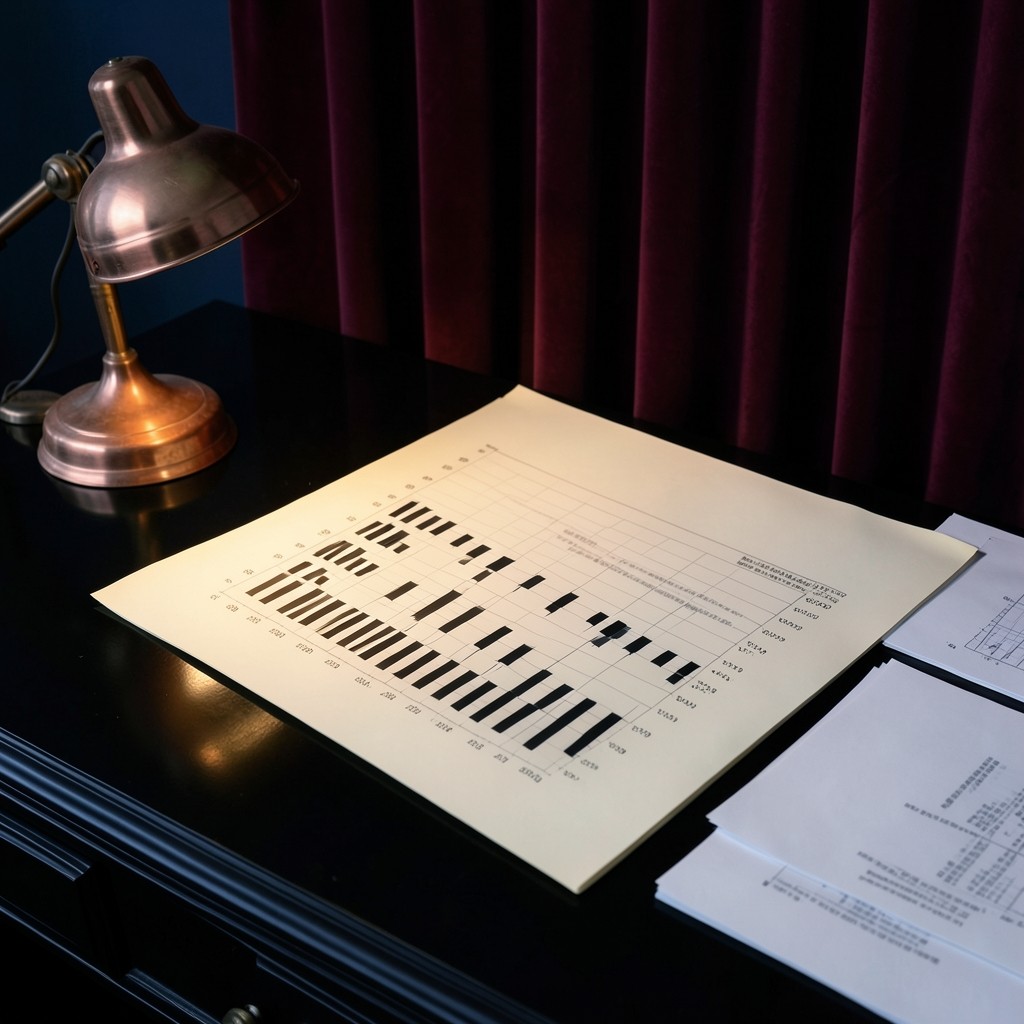
At the Wonju desk we leave the four-hour and the fifteen-minute sheets face down until the daily has a sentence. The sentence is dull on purpose. It names the last swing that still matters, whether price is above or below that swing, and what would make the sentence false. If you cannot say it without adding a second idea, the daily is not finished.
People who begin on the hourly almost always mark too much. An hourly swing looks urgent because the candles are large on that page. On the daily it may sit inside a range that has already been crossed twice this season. Multi-timeframe chart analysis, in the way we teach it, treats that urgency as a reason to slow down rather than a reason to act.
A practical test we use in technical analysis training: cover the hourly sheet with a blank page and try to describe the market from the daily alone. If the description needs a candle from the hidden sheet, you are borrowing detail the higher timeframe has not asked for. Put the blank page back and finish the daily.
When the sentence is stable, turn the four-hour over. Mark only the swings that agree with the daily or openly contradict it. Contradiction is useful. Decoration is not. The fifteen-minute sheet stays covered until those swings are named.
Students sometimes worry that a slow daily reading makes them late. In the studio we would rather be late to a mark than early to a page full of lines we cannot explain a month later. The journal entry for that day can be three lines. If it needs a paragraph of apology, the daily sentence was not ready.