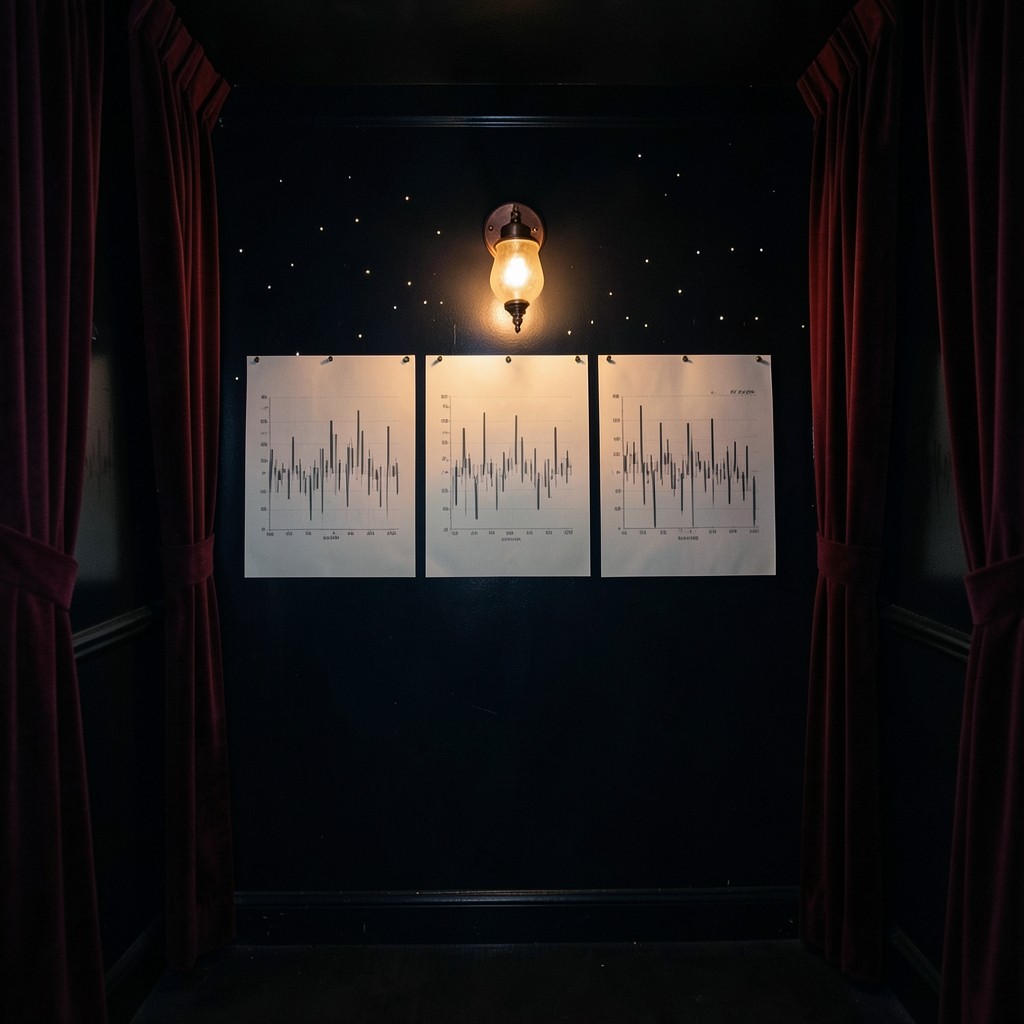
A room above the habit of rushing the lower timeframe.
The official registered business name is Synap Keystone. The business was established in 2015 in Wonju-si, Gangwon-do, and still teaches from the same street.
The study room on Geumdae-ro
Synap Keystone began in the autumn of 2015 as an evening circle above a stationery shop near Geumdae-ro. Hana Seo had just left a research desk in Seoul. Minjae Park was still teaching economics by day and marking his own charts at night. They invited a handful of local readers — a pharmacist, a rail clerk, two shop owners — to spread printed daily and hourly sheets on a borrowed table and argue only about swings they could point to.
Those evenings stayed small on purpose. By 2018 the circle needed a street-level room, and the studio took the address it still uses. Saturday workshops were added for people who could travel into Gangwon-do once in a while. Journal reviews came later, for students who kept notes between visits and wanted those notes read without booking another live hour. The offer has stayed inside technical analysis training: multi-timeframe chart analysis, one market at a time, written down.
Wonju suits the work. It is quieter than the rooms the founders had known in Seoul, and the train makes a Saturday morning possible for people coming from Chuncheon or farther down the line. The velvet curtains were already in the building when the lease began. They stayed because they keep the street noise off the paper.
How a session is kept honest
The studio leads with the higher timeframe and writes the invalidation in the same sitting. Instructors do not manage accounts, place orders, or recommend brokers. Students keep their own capital decisions. What the studio owes is a clear map, a paced hour, and notes that can be challenged later against the same sheets.
The studio’s standing rests on years at the desk. Hana spent eight years preparing chart notes for a brokerage research group before she moved to Wonju in 2014. Minjae has kept a bound journal since 2011 and has taught adults in a classroom long enough to know when a group is decorating a page instead of reading it. Both still mark their own sheets every week. The shelves in the back room hold those journals, and visitors are welcome to see how thick they have become.
People at the desk
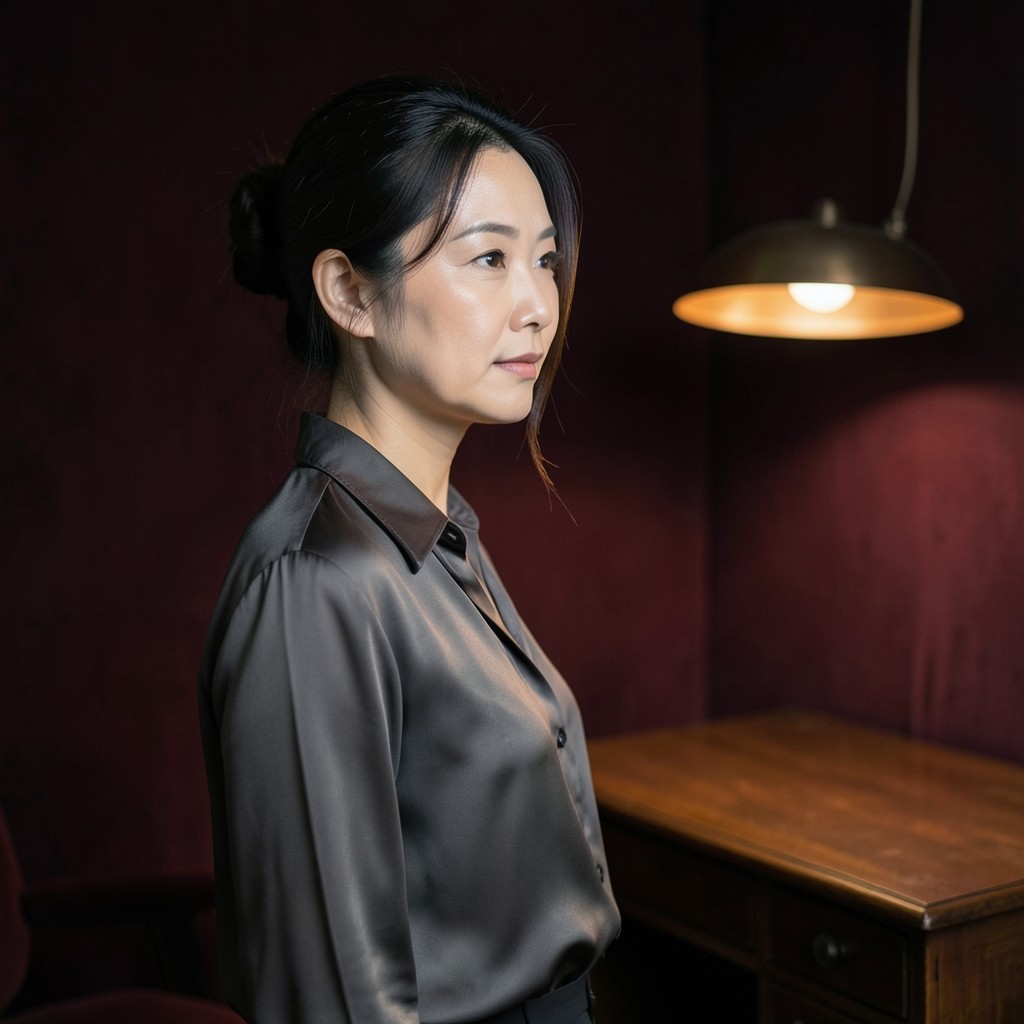
Hana Seo
Studio lead · private sessions and journal reviews
Hana runs the ninety-minute desk hours and reads journals. She prefers a short map to a clever one, and she will spend the first half of a session erasing marks if the daily sentence is still unstable. Students who want a faster lower-timeframe reading are asked to wait, or to book a workshop where the pace is shared.
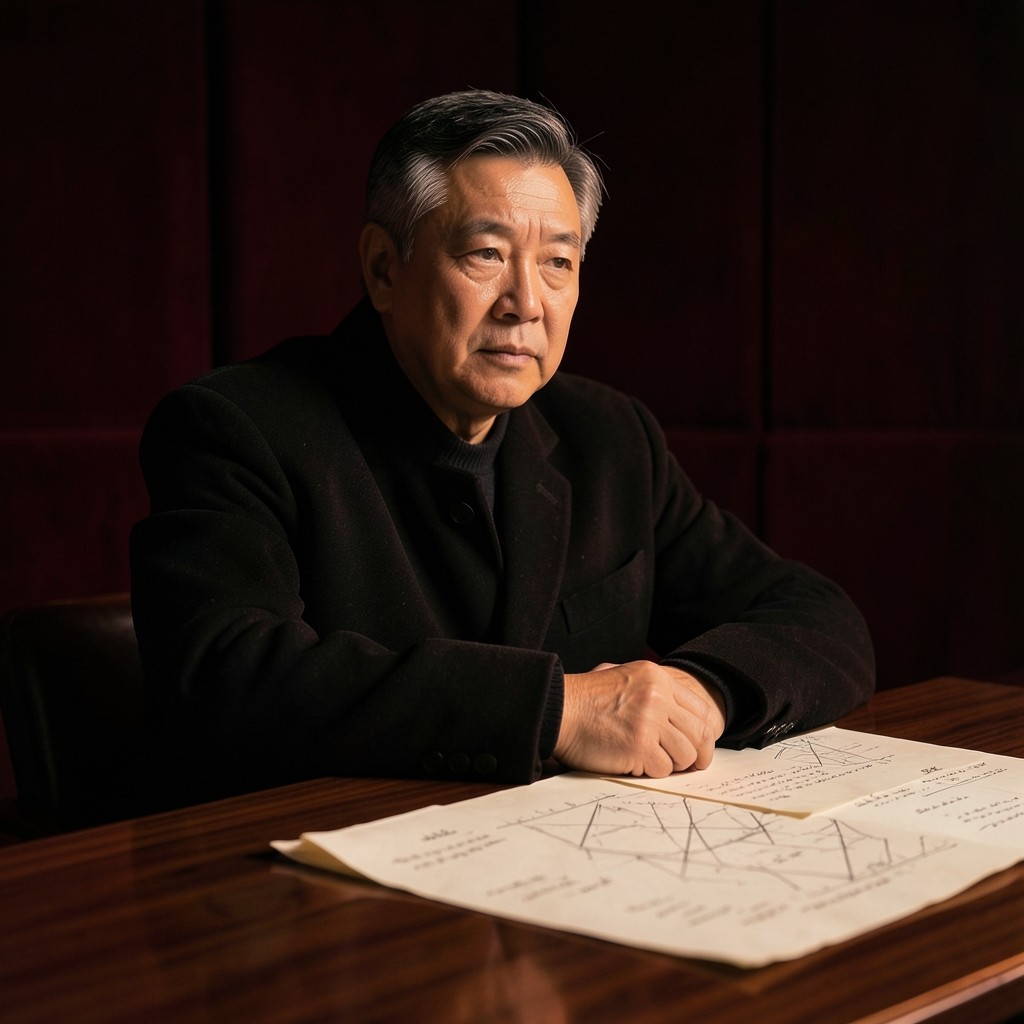
Minjae Park
Saturday workshops
Minjae leads the six-seat mornings. He sets the index a week ahead, prints the packs himself, and stops the room when two people are marking different swings under the same name. His classroom habit shows: he asks the group to say the daily sentence together before anyone turns the four-hour sheet over.
With the people who study here
Many students are local. Others come monthly from Daejeon or Seoul and use the telephone hour only when the tracks are closed. The studio remembers names and markets, not account sizes. If a journal arrives with broker screens or account numbers, it is returned unread. The relationship is a study relationship: you bring a market, we bring a disciplined hour, and the pages go home with you.
Cookies on this studio site
We store your choice in this browser. Accepting or rejecting leaves the pages, forms, and sessions fully available. Read the details on the cookie page.